












pipeBOT™
Closed-loop control for liquid pipelines, with up to 85% fewer manual commands.

leanOPT™ calculates your pipeline's minimum safe hydraulic profile, so pumps build only the pressure your flow targets need. No new equipment required.
Results from client deployments








Running at higher pressure than the flow needs, then bleeding it off downstream, burns energy on every barrel. The pipeline never runs at a truly lean profile.
01
Pressure set high to be safe on every shift takes more pump energy than the flow needs.
02
Pressure control valves bleed off pressure the pumps just spent energy building.
03
Density shifts, pump efficiency and equipment differences move the right profile all day.
Calculates the lowest pressures that still meet your flow targets. Lean pressure doesn't mean less delivery.
Cuts pressure drop at pressure control valves instead of burning it off.
Adjusts as product density, pump efficiency and equipment conditions change.
pipeBOT™ applies every target in closed loop, through your existing SCADA/DCS.
leanOPT™ only calculates targets. pipeBOT™ executes them through your SCADA/DCS, and operators can override at any time. ISO 27001 · SOC 2 Type II.
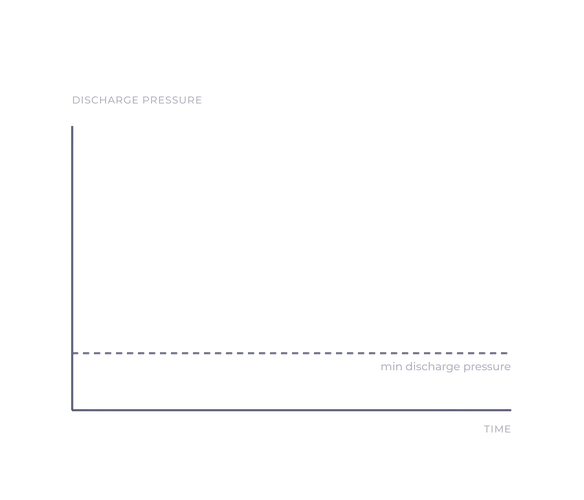
Read the safety FAQBefore: 100
With leanOPT™: ≤97.5
On one client's system, leanOPT™ ran alongside maxOPT™, with pipeBOT™ executing both.
≥2.5%
lower annual power costs
Up to 4.0%
more throughput (with maxOPT™)
$144k/yr
estimated from a lean profile on a 300+ mile pipeline
leanOPT™ is CruxOCM's hydraulic efficiency application. It calculates your pipeline's minimum safe hydraulic profile: the lowest pressures that still meet your flow targets. pipeBOT™ executes those targets in closed loop, reducing power costs by 1–3% while maintaining throughput.
Tell us about your pipeline. CruxOCM will estimate the power savings a lean hydraulic profile could deliver.
Closed-loop control for liquid pipelines, with up to 85% fewer manual commands.
Automates gathering systems, with 90% fewer tank excursion penalties.
Adds autonomous DRA skid control for 3–8% lower DRA costs.
Calculates throughput targets for a 2–7% increase on prorated pipelines.
Meets contracted volume at the lowest power cost, with up to 10% savings.