
In modern software development, a fundamental approach known as user-centered design (UCD) places the needs, goals, and preferences of users at the center of the entire process. This principle dictates that truly great software is designed for its users.
The UCD Process: A Three-Pillar Approach
Implementing user-centered design involves a structured approach encompassing three key elements:
- Deep User Understanding: This begins with thorough research and consistent engagement to truly grasp user needs.
- Intuitive Interface Design: The focus here is on creating interfaces that prioritize a seamless and effective user experience.
- Continuous User Feedback Integration: Throughout the product lifecycle, gathering and incorporating user feedback is essential for ongoing improvement.
The High Stakes of Ignoring the End User in Large Enterprises
When large enterprise organizations fail to design software with their end users in mind intentionally, they expose themselves to a range of significant risks. These issues can severely impact various aspects of the business, including:
- Low User Adoption: Resulting in poor return on investment and the continued reliance on outdated tools.
- Employee Frustration: Leading to low morale and higher employee turnover.
- Decreased Productivity: Slower work processes and an increased likelihood of errors.
- Increased Costs and Complexity: Contributing to higher maintenance demands and accumulating technical debt.
- Missed Business Goals: Failed projects and wasted financial investment.
- Lost Competitive Edge: Hindering innovation and causing the organization to fall behind.
- Reputational Damage: Resulting in lost customers and a negative brand image.
The Case of Advanced Process Control (APC) in Heavy Industry
Our experience suggests that legacy Advanced Process Control (APC) packages often present a unique challenge due to multiple end users, creating friction in value creation and validating the risks outlined above. For large enterprises, neglecting the end user in such critical systems translates directly into tangible business risks, spanning operational inefficiencies and increased costs to significant reputational harm and strategic failures. Therefore, proactively involving all relevant users, with the correct prioritization, throughout the design and implementation of these systems is critical for achieving successful and sustainable outcomes.
Consider those working in refineries or chemical facilities utilizing APC. When was the last time your APC vendor directly engaged with your control room operators? In our experience, this is a rare occurrence. It’s important to distinguish this from the invaluable work of System Integrators or in-house teams who diligently implement these packages. We are referring specifically to the APC software vendor’s Product Managers. Imagine the insight gained from them observing and interacting with Control Room Operators in their actual work environment, rather than solely engaging with APC Engineers. McKinsey notes that a “low utilization rate (less than 80 percent) of existing APCs that control key processes” is a common indicator of suboptimal performance in energy and materials industries. Furthermore, another industry case study reports that, after initial commissioning, average APC utilization was above 50%—excluding periods of plant shutdown or exceptional events—indicating that rates above 50% are considered good adoption, with best-in-class sites aiming for 80% or higher. This raises a crucial question: why is such a level of partial utilization deemed acceptable for critical industrial processes that underpin our economy?
Contrast this with our expectations for consumer applications such as Netflix or Amazon. We expect and achieve near-perfect usability and enjoyment, despite paying a relatively small monthly fee (e.g., $10.99). Our standards for these everyday tools seem significantly higher than for the complex industrial systems that are far more vital.
The Historical Roots of the Design Disconnect in Heavy Industry
This isn’t necessarily a fault of the APC vendors themselves. Instead, it appears to be an unintended consequence of historical design practices within a traditionally slow-evolving industry like oil and gas. The prevalence of the waterfall development method in the 1990s, when much of our operational technology (OT) software was conceived, made it challenging to adapt initial design decisions. Given the intricate nature of configuring APC for specific industrial assets, it naturally followed that these packages were primarily designed with the APC Engineer in mind.
However, this focus is misdirected. While the APC Engineer is undoubtedly crucial for the successful deployment of these systems in critical industrial environments, they are not the primary daily users of the software. The Control Room Operator is the one who interacts with the system day in and day out. While the understanding that the Control Room Operator is the true end user exists, the legacy of these systems has prevented a swift redesign to effectively empower them.
Shifting the Focus: Empowering the Control Room Operator
We firmly believe that the control room operator is the correct primary end user for APC applications. Currently, the APC packages we’ve encountered are predominantly designed around the APC Engineer. While the engineer’s role is vital during deployment, recognizing the control room operator as the primary user presents a significant opportunity. We estimate the potential to capture an additional 3 to 5% increase in production on top of the 3 to 5% gains already being realized by optimizing the user experience for the operator.
Key Principles Reinforcing the Importance of User-Centered Design
The significance of user-centered design is underscored by several fundamental principles:
- User Involvement: Actively engaging users throughout the entire software development lifecycle, from initial research to final implementation, is paramount. This ensures the software directly addresses real user needs and aligns with their expectations.
- Iterative Process: User-centered design is inherently iterative. A key tenet in the field emphasizes this: “Iteration is critical: Customers don’t know what they want until they see it.” This approach allows for continuous refinement and improvement based on ongoing user feedback.
- Enhanced User Experience: By prioritizing the creation of exceptional user experiences, developers can build software that truly resonates with its intended audience, leading to increased user satisfaction, engagement, and loyalty.
- Risk Reduction: Designing with and for users proactively mitigates project risks by ensuring the software solves genuine problems rather than perceived ones. It also facilitates the early identification and resolution of potential usability issues.
- Quality Assurance: User-centered design places a strong emphasis on rigorous testing. Another established principle highlights this: “A great developer spends significant time testing for every hour coding.” This commitment to quality from the outset is crucial, a concept further reinforced by the idea that “The quality of work established early in a project tends to persist throughout.”
By consistently adhering to these user-centered principles, software developers can create products that not only meet technical specifications but also deliver genuine value and satisfaction to their end users.
Alignment with Broader Business Objectives
Finally, ensuring that product development aligns with overarching business goals is essential. This involves:
- Translating high-level business strategies into specific and actionable technical requirements.
- Making informed trade-offs between competing priorities, such as feature implementation versus time and cost constraints.
- Continuously tracking progress against key business metrics to ensure alignment and measure success.
User-Centric Design Business Case
This case study examines the impact of advanced automation technology on liquid pipeline control room operations. By comparing historical operations with and without the technology, we highlight the benefits of advanced automation in maintaining optimal pressure levels, maximizing profitability, improving efficiency, and reducing manual intervention.
1. Historical Liquid Pipeline Operation Without Advances in User-Centric Industrial Autonomy
In legacy Advanced Process Control applications, the advanced process control engineer designs the plant-wide control system setup, resulting in a unique configuration at each plant or refinery site. Before handover to the control room operators, the advanced control engineer is the end user. We need to align the end users of our software applications with value. While there is tremendous value in bespoke APC roll-outs, we believe combining user-centric design for the daily user and the control room operator will maximize the experience significantly. We could then free up the advanced process control engineer as an administrator of the application (or SCADA/Automation Engineer).
In the pursuit of maximizing the number of end users (control room operators) who could benefit from individual products, we saw a natural delineation of industry verticals for standardized APC installations. Starting in the pipeline sector, we are applying APC to pipeline systems and facilities and are working to enhance the experience for administrators/deployment folks through self-service tools.
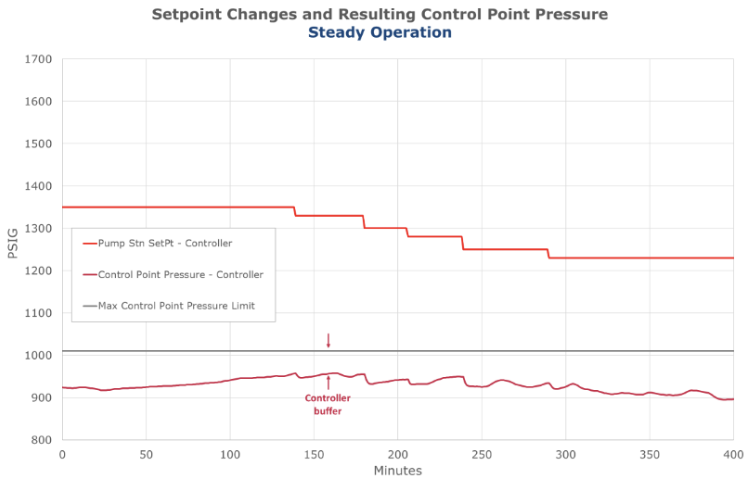
In traditional liquid pipeline control rooms, operators set a static discharge or suction pressure set point for pump stations. This set point remains unchanged until manually adjusted, often resulting in a stair-step pattern of pressure changes.
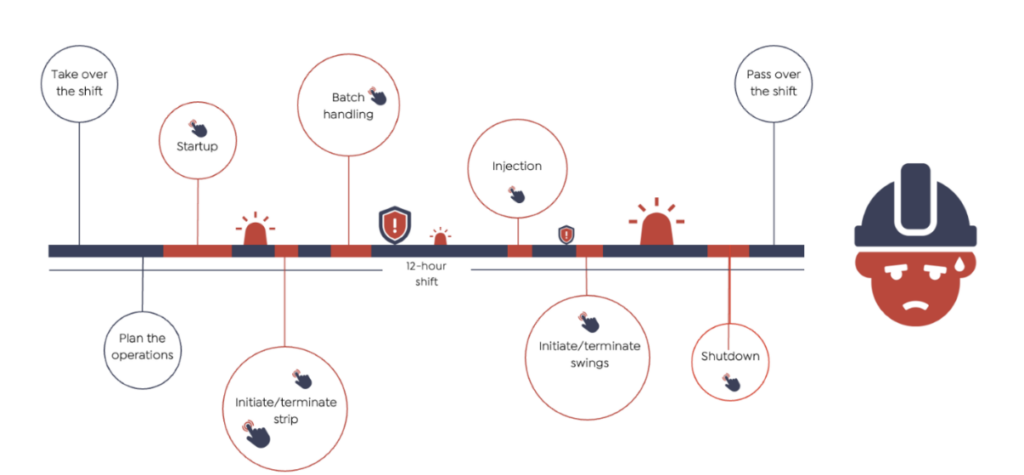
Figure 1 and Figure 1.1: Operators monitor pressure transmitters downstream to manage high-pressure points, using the upstream discharge or suction pressure set point to maintain desired pressure levels. However, this manual approach can lead to inefficiencies and suboptimal pressure management, resulting in underutilization of the asset, not maximizing profitability.
2. Challenges Faced by Control Room Operators
Control Room Operators face several challenges in maintaining optimal pressure levels:
- Manual Adjustments: Operators must manually adjust the discharge/suction pressure set point, which can vary by 10 psi, 20 psi, or more, based on operational needs.
- Limited Focus: Operators handle multiple tasks and responsibilities, making it difficult to consistently monitor and adjust pressure levels to maintain consistent maximum flow rates.
- Human Error: The need for continuous monitoring and adjustments increases the risk of human error, especially in hydraulically challenging pipeline operations.
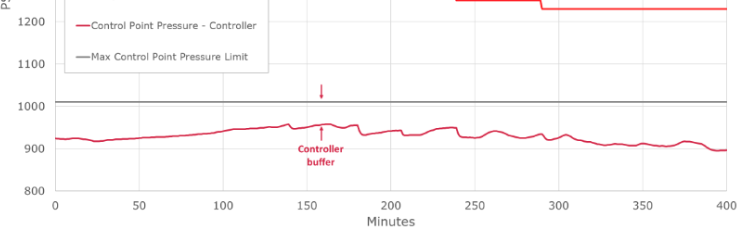
Figure 2: Over time, the difference between the pressure limit at the ever-moving bottleneck location and the minimum pressure that the control room operator can maintain on the system is the volume, or profit, left on the table for liquid pipeline operators.
3. Human-Centric Industrial Autonomy with Advanced Control Technology
With the introduction of advanced process control automation technology for our liquid pipeline assets, the discharge and/or suction pressure set point is automatically and continuously adjusted in real-time across the entire pipeline. This dynamic approach allows the pressure to stay close to the maximum pressure limit, optimizing throughput and reducing manual intervention.
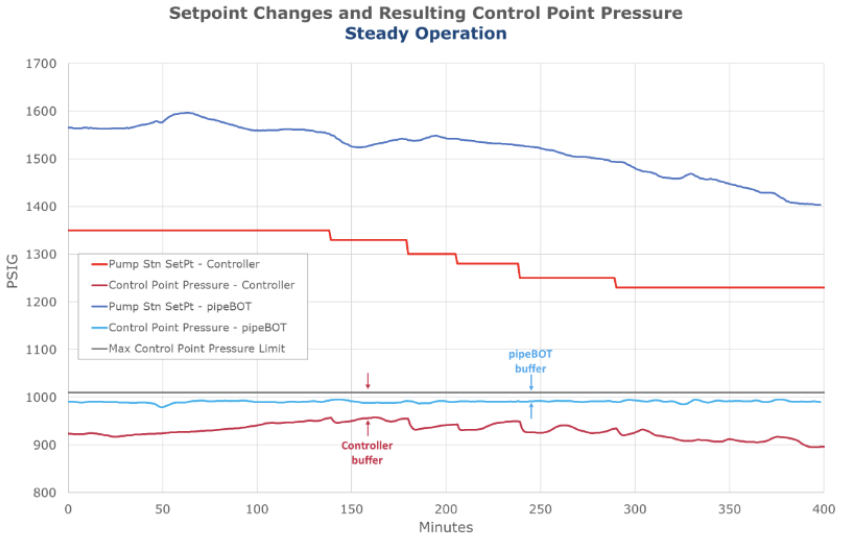
Figure 3 and 3.1: The advanced automation technology responds to hydraulic changes across the entire pipeline, ensuring that pressure levels are maintained within safe operating parameters. This real-time adjustment reduces the need for operators to constantly monitor and manually adjust the set points along the pipeline.
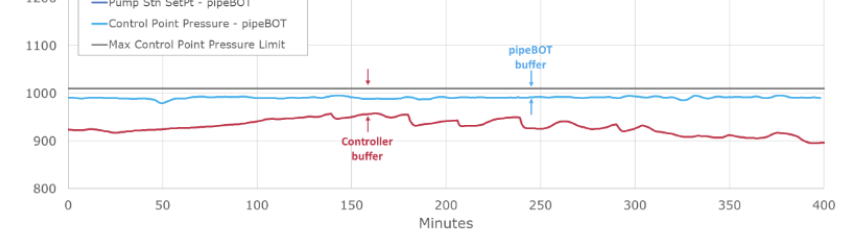
The difference between the limit that pipeBOT/maxOPT can maintain and what the control room operator can maintain is the additional utilization or volumetric throughput that can be captured and sold by liquid pipeline organizations.
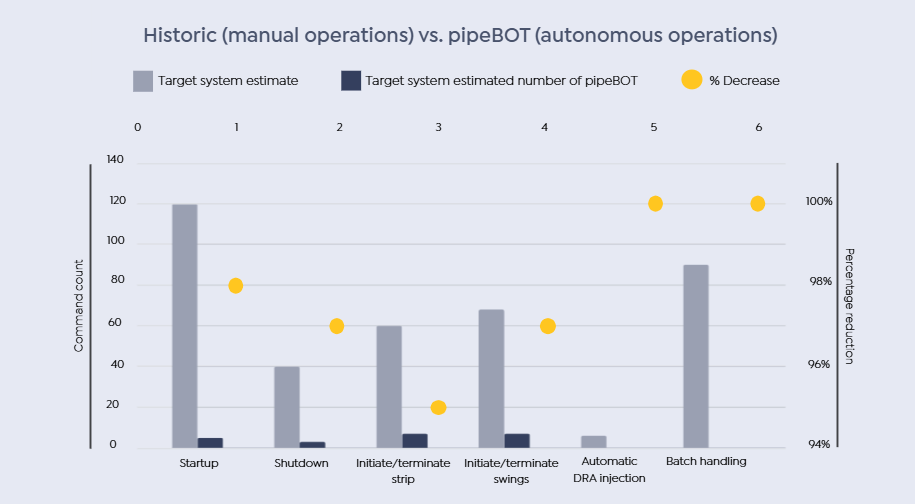
Figure 3.2 Pipeline control room operator workload was reduced by 92% for routine tasks such as batch transitions, shutdowns, initiate/terminate strips and swings, and automatic DRA injection.
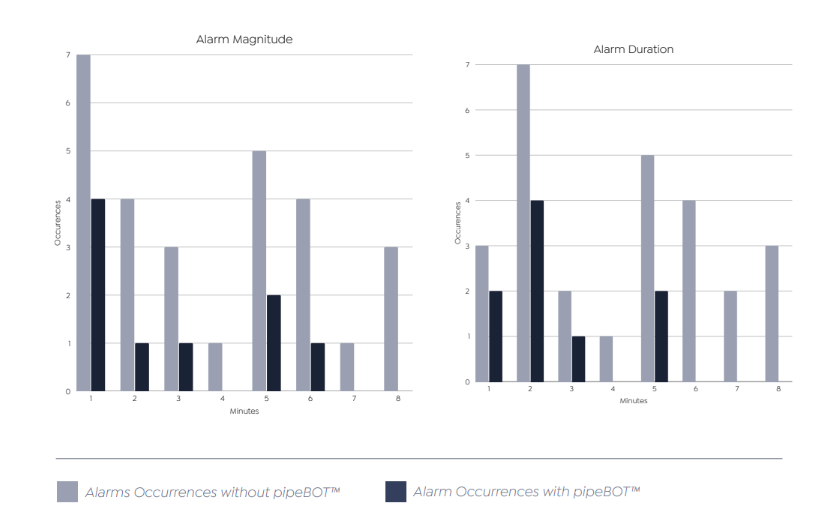
Figure 3.3: Alarm occurrences decreased by 65%, as pipeBOT executed within the set limits at a higher frequency than human-operated.
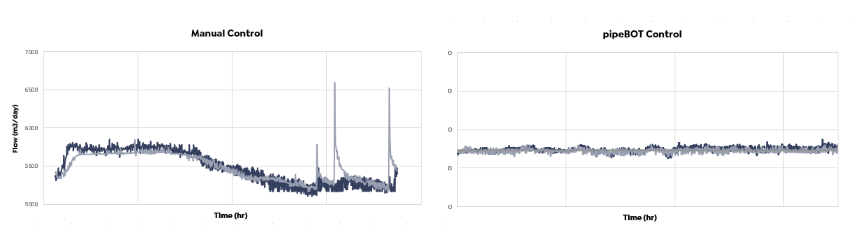
Figure 3.4 and 3.5: 30% improvement in pressure variations and consistent operating conditions, resulting in long-term asset integrity benefits such as reduced digs and fewer environmental incidents.
4. Benefits of Progressing Human-Centric Industrial Autonomy in Pipeline Control Rooms
The following benefit summary has been realized in production by Crux customers:
| Benefit | Description |
| Value Generation and Increasing Profitability | Modernizing software infrastructure and adopting enhanced automation led to significant cost savings and increased profitability. By reducing manual tasks and improving efficiency, control rooms operate more effectively with fewer resources. |
| Increased Operational Excellence/Efficiency | Automation continuously adjusts the discharge/suction pressure set points in real-time, optimizing throughput and reducing manual intervention. |
| Improved Safety and Security | Automation reduces the burden on operators, allowing them to focus on other critical tasks and improving overall safety. |
| Enhanced Visibility and Decision-Making | Automation technology responds to hydraulic changes across the entire pipeline, maintaining pressure levels within safe operating parameters and providing better visibility and decision-making capabilities. |
| Future-Proofing Operations | Modernizing software infrastructure and adopting enhanced automation ensure that control room operations remain adaptable and resilient. These advancements provide the flexibility needed to integrate new technologies and respond to changing industry demands, maintaining a competitive edge. |
5. Lessons Learned
With the rollout and adoption of any new technology, there are lessons learned to help others be successful in their journey to human-centric industrial autonomy for pipeline control rooms:
- Enhanced Operational Efficiency: Automation significantly improves operational efficiency by minimizing manual tasks and allowing operators to focus on critical responsibilities.
- Improved Safety and Reduced Human Error: Automation reduces the risk of human error and enhances safety by ensuring consistent and accurate pressure management.
- Better Visibility and Decision-Making: Automation improves visibility and decision-making for managers and executives through real-time data gathering and analysis.
- Increased Profitability: Automation leads to cost savings and increased profitability by ensuring that software solutions consistently deliver value.
- Future-Proofing Operations: Automation ensures that control room operations remain adaptable and resilient, maintaining a competitive edge.
- Reduction in Manual Adjustments: Automation maintains pressure levels close to the maximum limit, reducing the need for frequent manual adjustments.
- Enhanced Operator Focus: Automation reduces the burden on operators, allowing them to manage the entire pipeline more effectively and focus on other critical tasks.
These lessons have been incorporated into the rollout and adoption process with pipeline control room customers.
6. Regulatory Considerations
The Pipeline and Hazardous Materials Safety Administration (PHMSA) in North America regulates the safe and secure movement of hazardous materials, including pipelines. Key regulatory guidelines include, but are not limited to, Control Room Management, Management of Change, and Point-to-Point check. Crux’s advancement of human-centric industrial autonomy in pipeline control rooms adheres to regulation and enhances the safe operation of these assets.
7. Future Outlook
CruxOCM is poised to lead the advancement of human-centric industrial autonomy in pipeline control rooms through continuous innovation and modernization. By enhancing operational efficiency, improving safety and security, and providing real-time visibility and decision-making capabilities, CruxOCM ensures that control room operations remain adaptable and resilient. Our commitment to a value-based approach and future-proofing operations empowers operators to manage pipelines more effectively, driving efficiency, safety, and profitability. As the pipeline industry evolves, CruxOCM’s solutions will continue to deliver significant value, transforming control rooms into strategic hubs that support and enhance the capabilities of human operators.
Conclusion
CruxOCM’s dedication to advancing human-centric industrial autonomy in pipeline control rooms is transforming the industry. Through continuous innovation, enhanced operational efficiency, improved safety and security, and better visibility and decision-making, CruxOCM ensures that control room operations remain efficient, secure, and value-driven. A key factor in advancing this transformation is the significant increase in profitability achieved through modernizing software infrastructure and adopting enhanced automation. By reducing manual tasks and improving operational efficiency, Crux’s solutions enable control rooms to operate more effectively with fewer resources, driving profitability. As the industry evolves, CruxOCM’s solutions will continue to deliver significant value, ensuring that pipeline control rooms are not just operational centres but strategic hubs that support and enhance the capabilities of human operators.
This article argues for the critical importance of user-centered design (UCD) in heavy industrial software development, particularly within large enterprises and specifically concerning Advanced Process Control (APC) systems. By prioritizing user needs throughout the design process, providers of OT software can mitigate significant risks such as low adoption, decreased productivity, and reputational damage, ultimately leading to software that drives tangible value and achieves sustainable success for their oil and gas clients.
We highlight a disconnect in the design of current APC packages, which are often centered around the APC engineer rather than the control room operator, the true end-user. This misalignment results in suboptimal utilization rates, as noted by McKinsey, and contrasts sharply with the usability expectations of consumer-grade software. This design flaw, rooted in historical development practices, prevents APC systems from reaching their full potential – advancing human-centered industrial autonomy.
By embracing key principles of UCD, including user involvement, iterative processes, enhanced user experience, risk reduction, and quality assurance, and realigning the focus of APC design towards the control room operator, there is a significant opportunity to unlock further production gains and realize the full promise of these critical industrial automation tools.